The UAE has pursued one of the most aggressive road safety campaigns in the Gulf region. Fatality rates have fallen dramatically over two decades — yet traffic deaths remain the leading cause of unnatural death in the country. The data tells a story of progress, persistent risk, and the enforcement technology reshaping driver behaviour.
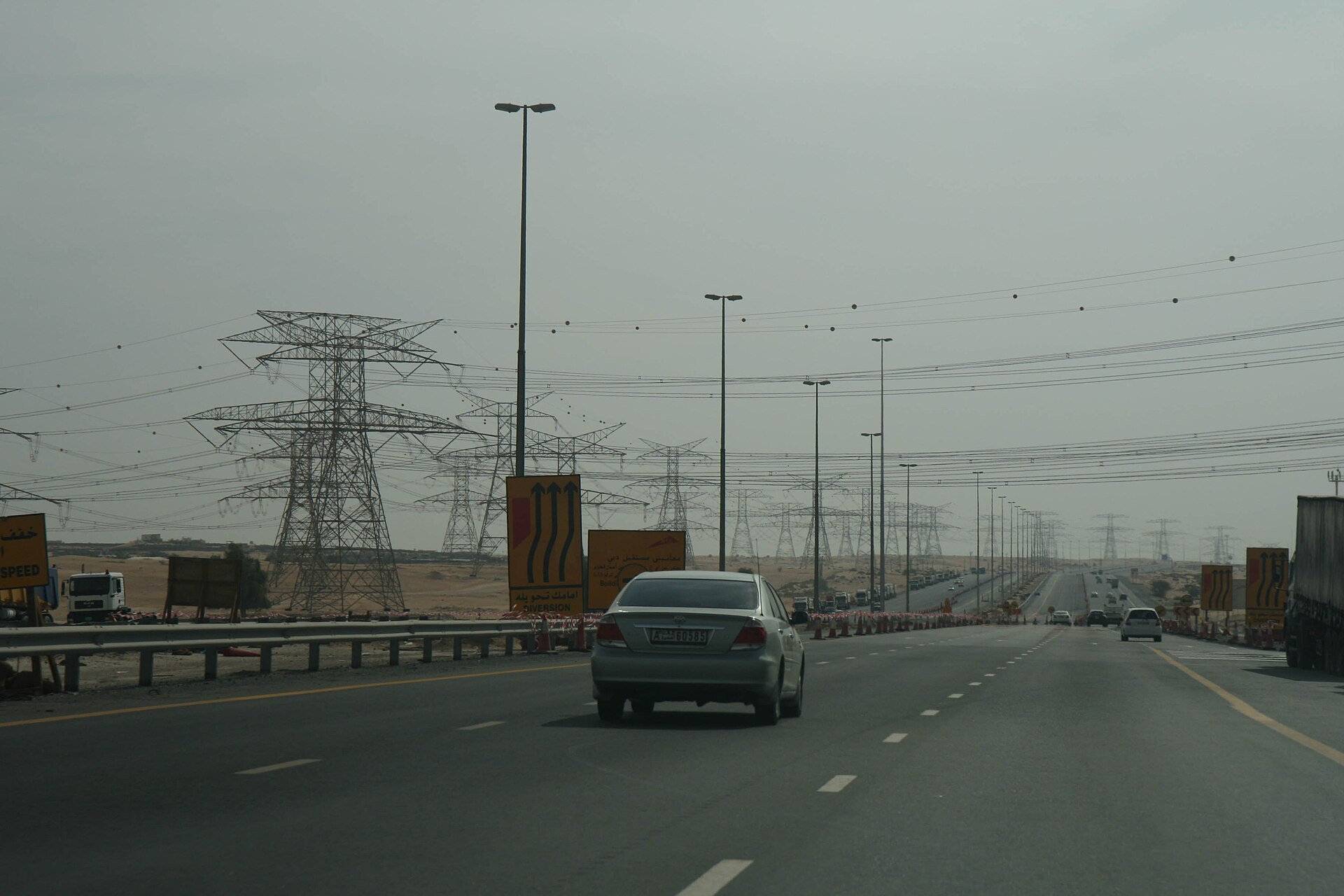
Fatality trends over two decades
In the early 2000s, the UAE recorded approximately 20–24 road fatalities per 100,000 population annually — among the highest rates globally. By 2023–2025, that figure had fallen to approximately 3–5 per 100,000, depending on emirate and measurement methodology. Dubai and Abu Dhabi report the lowest rates; the Northern Emirates and rural corridors show higher per-capita figures due to lower population density and longer emergency response distances.
Absolute numbers tell a parallel story. Total annual fatalities across the UAE dropped from over 1,000 in peak years to approximately 300–400 in recent reporting periods, despite vehicle fleet growth exceeding 5% annually. The reduction is not accidental — it reflects sustained investment in enforcement, infrastructure, and public awareness.
Dubai and Abu Dhabi have adopted Vision Zero frameworks — targeting zero road fatalities through engineering, enforcement, education, and emergency response improvements. Dubai's Road and Transport Authority publishes annual safety reports tracking progress against specific reduction targets.
Primary causes of serious crashes
Speeding remains the leading contributor to fatal crashes, cited in approximately 40–50% of serious incidents according to federal traffic authority data. Sudden lane changes and tailgating follow — behaviours exacerbated by high-speed differential on multi-lane expressways. Distraction, particularly mobile phone use, has risen as a reported factor as smartphone penetration increased.
Pedestrian fatalities constitute a significant urban share — particularly among labourers and workers in industrial zones where pedestrian infrastructure lags vehicle capacity. Dubai has invested in pedestrian bridges and mid-block crossings; Sharjah and the Northern Emirates continue expanding similar infrastructure.
Enforcement technology impact
The deployment of fixed and mobile speed cameras accelerated fatality reduction from 2010 onward. Average-speed camera systems on inter-emirate highways — measuring travel time between two points rather than instantaneous speed at a single location — eliminated the "slow for the camera, speed between" behaviour that undermined earlier enforcement.
Seatbelt cameras, introduced in Abu Dhabi and expanding to other emirates, detect unbelted drivers and passengers automatically. Compliance rates for front-seat occupants now exceed 98% in emirates with active camera enforcement. Rear-seat compliance lags significantly — approximately 60–70% — prompting legislative attention.
Vehicle fleet and demographic factors
The UAE vehicle fleet exceeds 3.5 million registered vehicles, with approximately 40% concentrated in Dubai. Young male drivers (18–35) are overrepresented in serious crash statistics — a demographic pattern consistent globally but amplified by the UAE's young population structure and high-performance vehicle culture.
Heavy vehicle crashes — trucks, buses, and construction equipment — account for a disproportionate share of multi-vehicle fatalities relative to fleet percentage. Lane restrictions and time-of-day movement limits for HGVs aim to reduce interaction between freight traffic and passenger vehicles during peak hours.
Emirate-by-emirate variation
Dubai reports the most comprehensive public data, publishing quarterly crash statistics through RTA. Abu Dhabi's Department of Transport releases annual summaries. Sharjah, Ajman, Umm Al Quwain, Ras Al Khaimah, and Fujairah report through federal aggregation with less granular public breakdown. Fujairah's mountain roads and coastal highways present distinct risk profiles — curve-related crashes feature more prominently than on straight desert expressways.
Emerging trends and future data
Electric vehicle adoption, autonomous vehicle testing in Dubai, and expanded Metro networks will shift safety dynamics over the coming decade. Early data from Dubai's autonomous taxi trials shows lower incident rates per kilometre than human-driven equivalents in controlled operating zones. Whether this scales to mixed traffic environments remains an open research question that RT Online Drive will continue monitoring.